1. Safety first
Before anything is touched, the crew checks for hazards such as sharps and glass. People and pets stay out while protective equipment goes on.
Loop, Chicago, IL · Cook County
Call (877) 812-4220 when a Loop property has biohazard contamination that should not be touched with bare hands. Crews handle containment, removal, cleaning and disinfecting, and answer your questions as they go.
If anyone is in danger, call 911 first. For a suicide crisis, call or text 988.
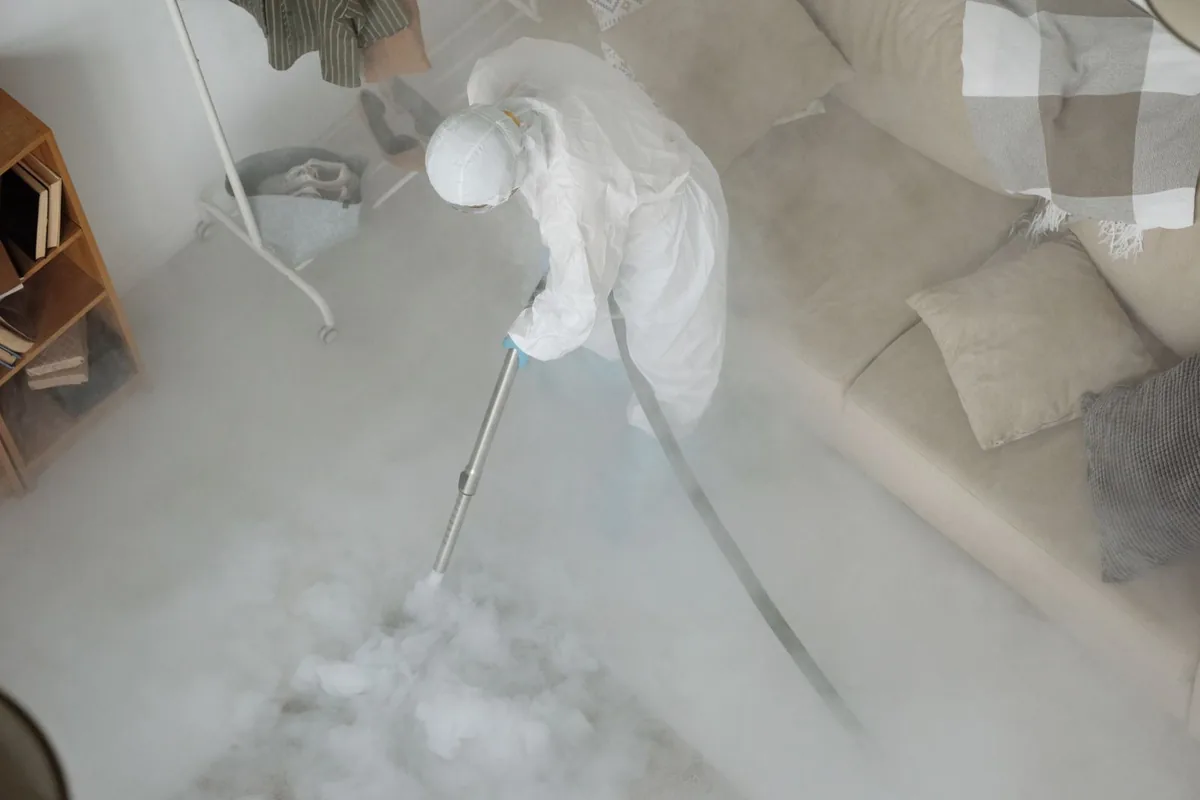
Biohazard cleanup, also called biohazard cleaning or bio cleanup, is the removal of blood, bodily fluids, sewage and other material that can carry disease. It includes disinfection, odor removal and proper waste disposal.
If you need biohazard cleanup at your home, apartment, business or vehicle in Loop or anywhere in Cook County, call Loop Biohazard Cleanup Help. Crews follow OSHA bloodborne pathogen rules, wear PPE and keep every job discreet.
With about 36% of older adults in Chicago living alone, families often set up biohazard cleanup from out of town. Renters make up about 54% of households in Chicago, so landlords and property managers often set up biohazard cleanup between tenants.
What biohazard cleanup covers:
Before anything is touched, the crew checks for hazards such as sharps and glass. People and pets stay out while protective equipment goes on.
Items that fluids have soaked into are removed, because germs can hide deep inside porous materials. Everything is bagged and labeled as it leaves the room.
Contaminated material is removed and sealed. Every affected surface is cleaned, then disinfected with products that stay wet for the full contact time.
The team inspects each treated spot, deals with leftover smell and removes regulated waste from the property. The owner gets a clear summary of the work.
Biohazard cleanup in Loop, Chicago, IL typically costs $1,500 to $25,000, depending on the size of the affected area and the materials involved.
Insurance can offset the cost. Many homeowners and renters policies cover biohazard cleanup after a covered event, so it helps to call the insurer before work begins and keep every receipt.
| Type of job | Typical range |
|---|---|
| Full published span | $1,500 - $25,000+ |
| Residential average range | $1,800 - $4,500 |
| Typical national range | $3,000 - $5,000 |
| Most residential projects | $2,500 - $8,000 |
These ranges come from published cost guides (Fixr, Yelp Costs, Biohazard cleanup cost guide from a biohazard cleanup company) and are not a quote for Loop. Price drivers include type of contamination, size of the affected area, how far fluids soaked into porous materials, waste handling and disposal. For a real number, call (877) 812-4220.
Yes. Many calls come from managers who need a unit made safe for the next tenant. The lease and local law decide who pays, and the crew can provide photos and records for the owner or insurer.
Usually not. Crews arrive in unmarked vehicles, work quietly and keep details private. Tell the team at the start if discretion matters, and it will plan the work around that.
Biohazard cleanup is the safe removal of contaminated material and the disinfection of the affected area. Crews wear PPE, remove what cannot be cleaned and haul waste by the rules. The goal is a space that no longer poses a health risk.
Ask what training the crew has, how it deals with waste, whether it works with insurers and whether it can provide references. A good company explains the process in plain words. Then decide if the company is the right fit.
Specialized biohazard cleaners do the work, not police, firefighters or ordinary cleaning services. After law enforcement releases a scene, the owner, family or property manager hires a cleanup company. The crew takes care of removal, disinfection and waste.
It depends on the cause and the property. Insurance is the first place to look. Without it, the owner, the estate or the family usually pays, and in a rental the lease and local law decide. Some cleanup teams offer payment plans.
Describe the situation by phone and the cleanup team explains what comes next.
Call (877) 812-4220